 Tea Education
Why Is Your Tea Brown? Exploring the Colourful World of Herbal Tea Colours
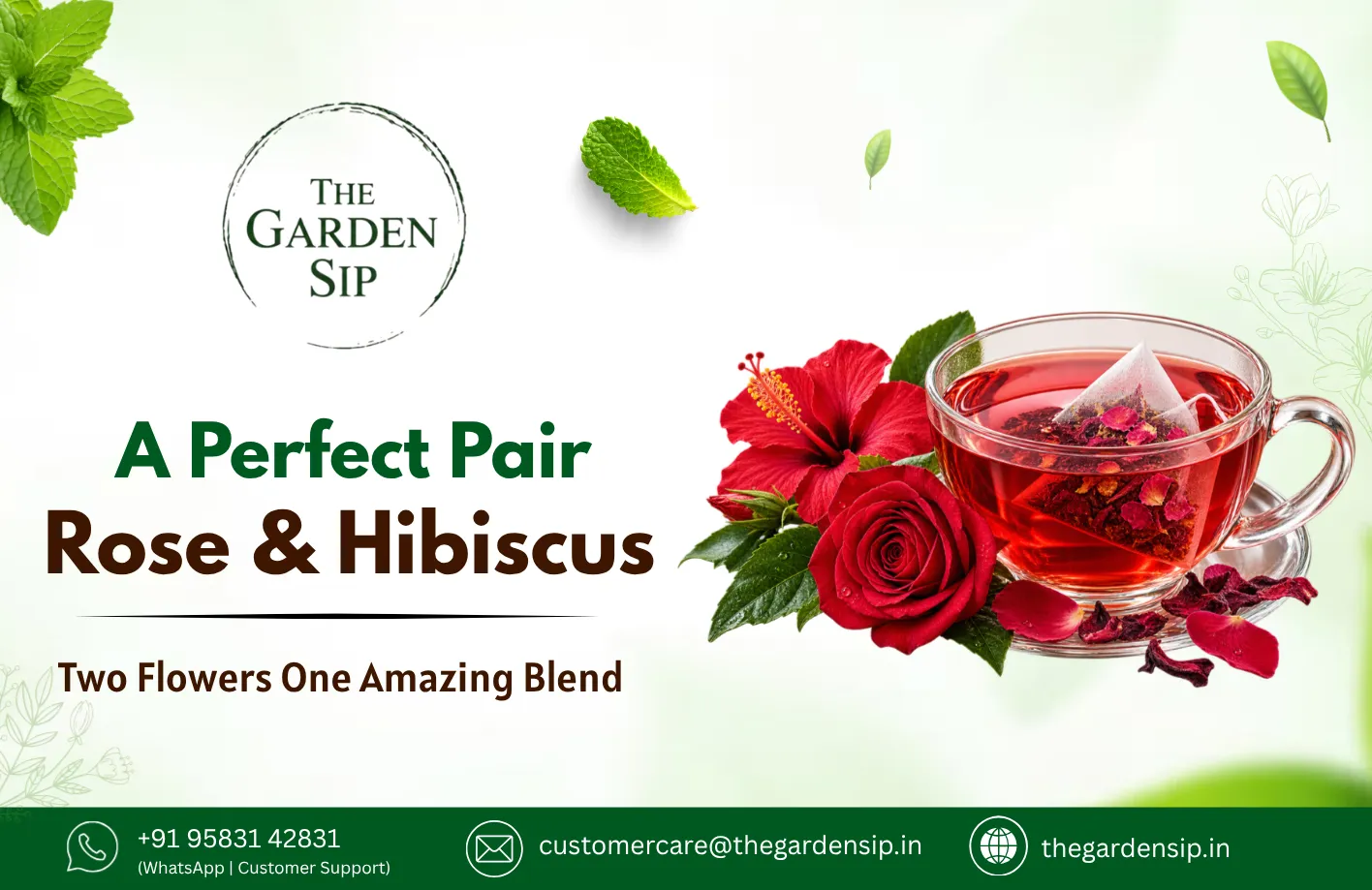
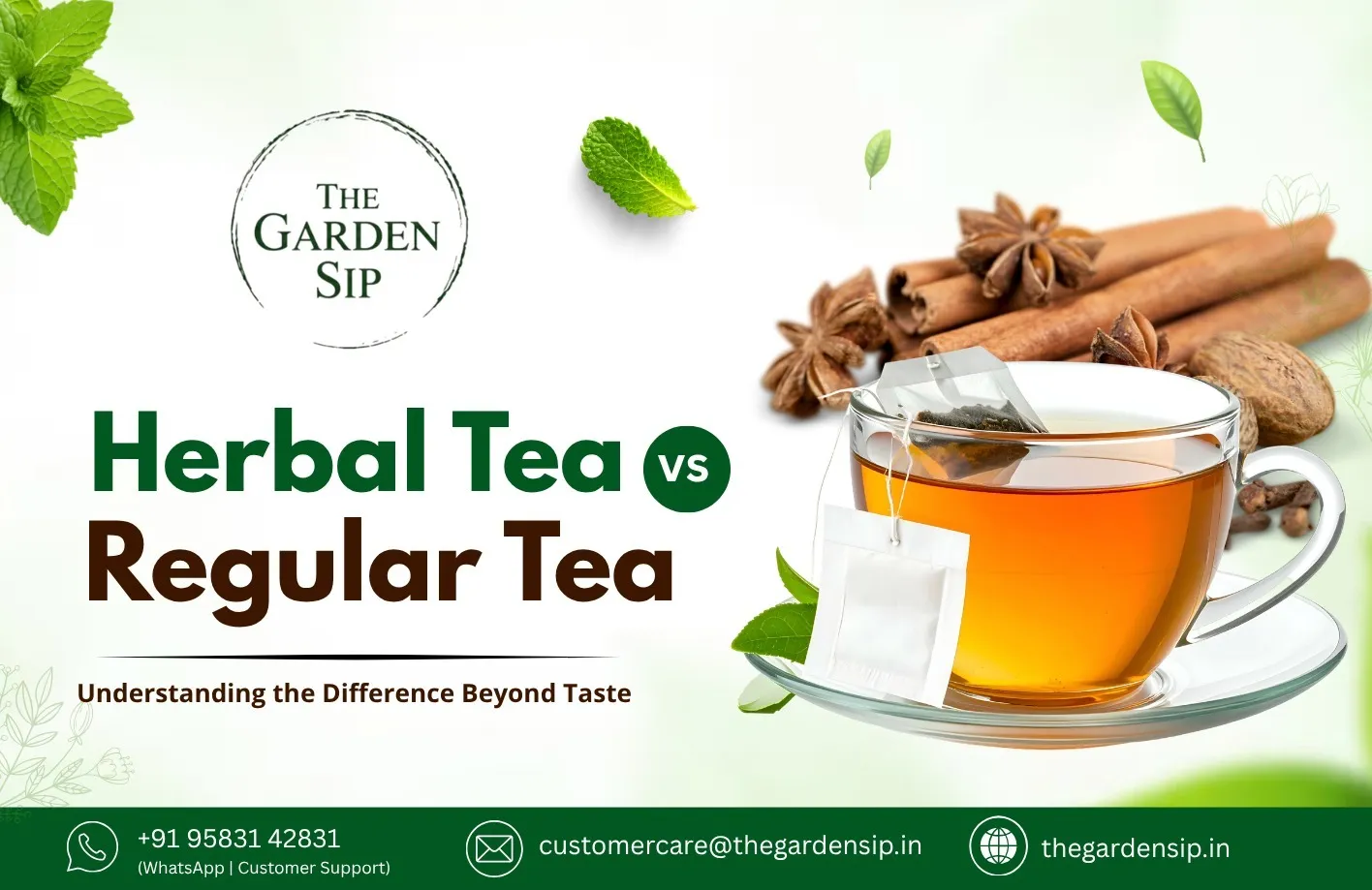
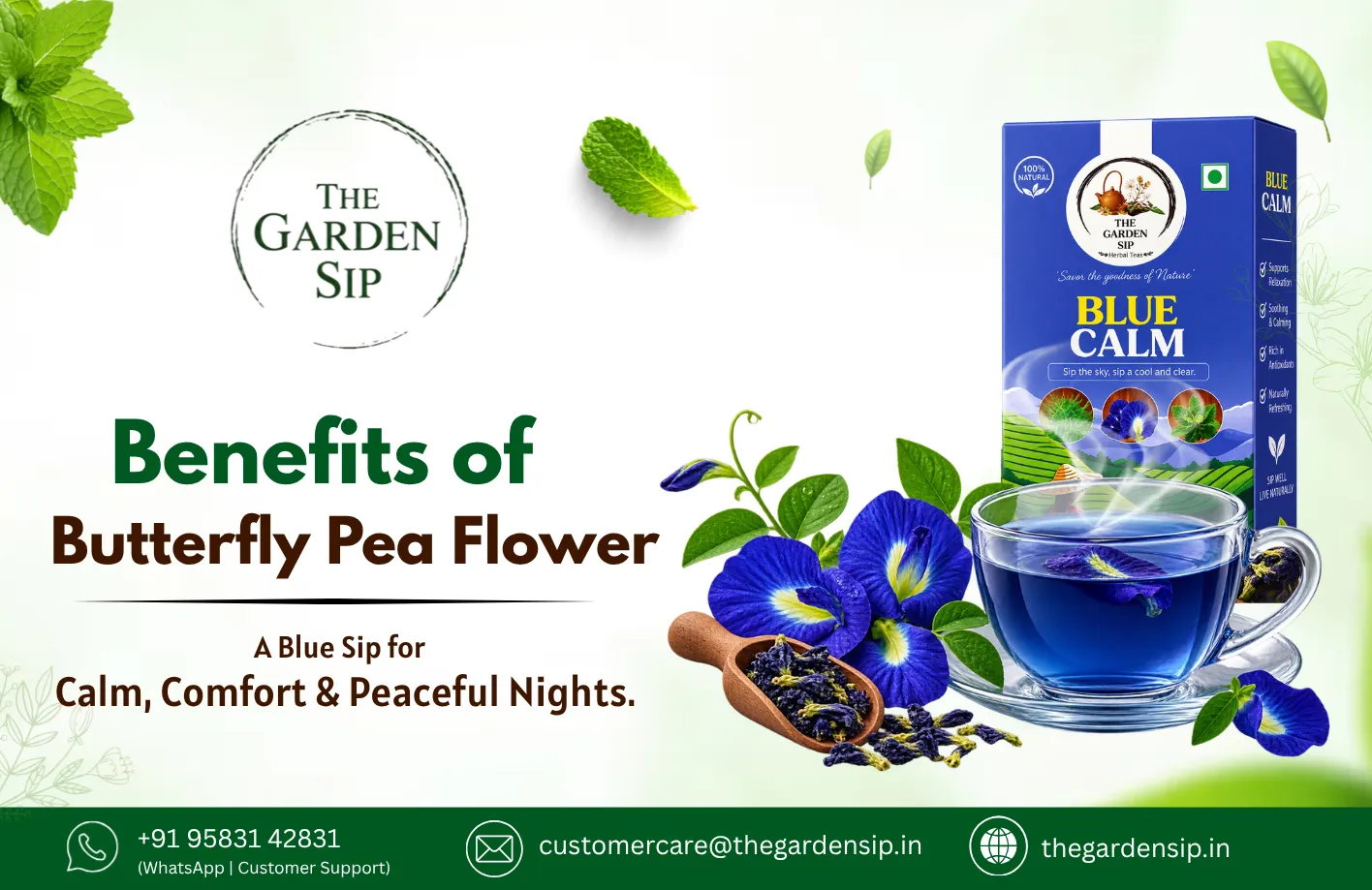
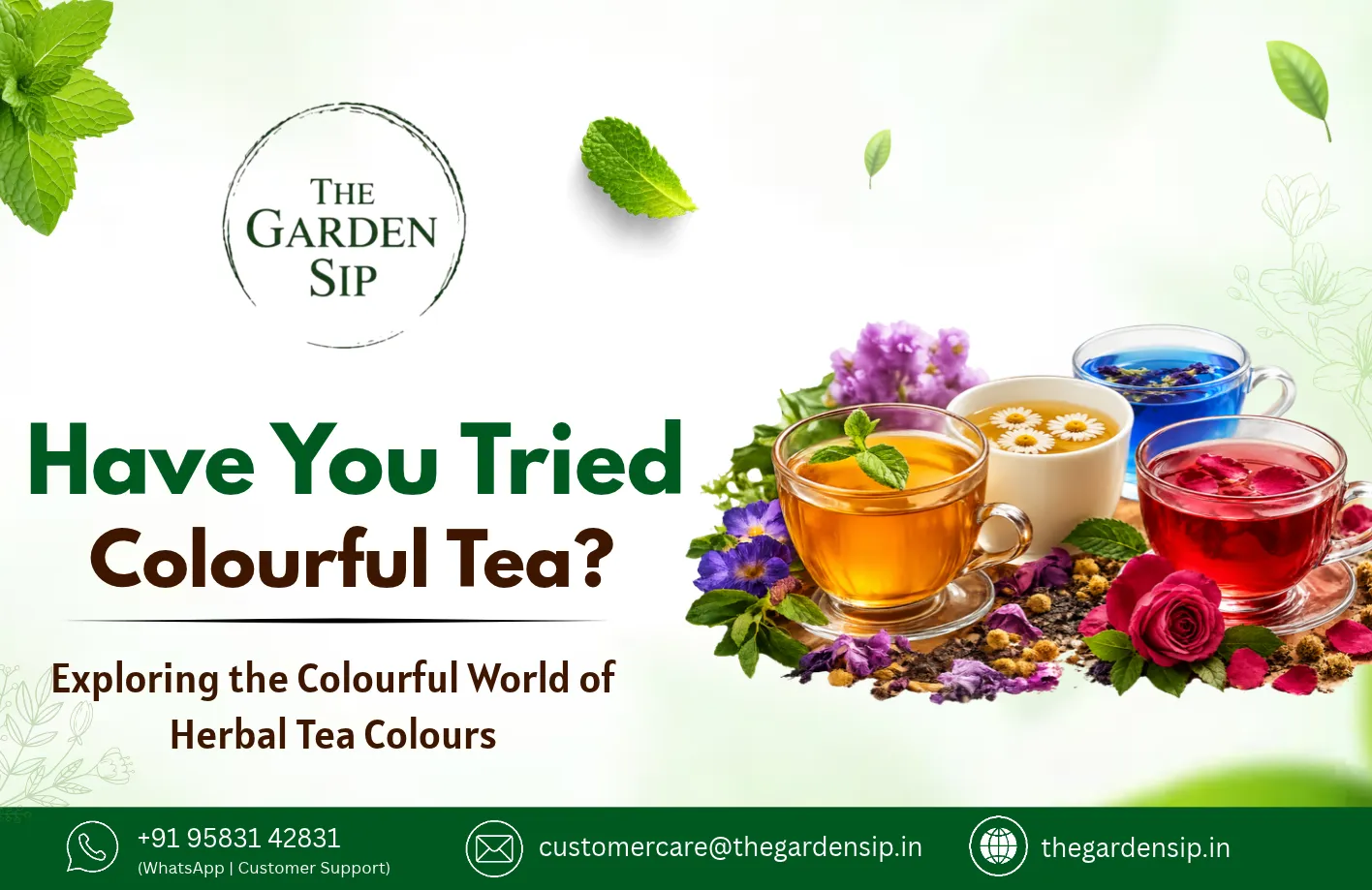
Pour yourself a regular cup of chai or black tea. What colour is it? Brown, of course. Now pour a cup of butterfly pea flower tea. Deep, electric blue. Add a squeeze of lemon and watch it turn violet. Same hot water. Same cup. So why does one cup look like a muddy river and the other like a jewel? Welcome to the world of herbal tea colours . First, Why Is Tea Brown? Regular tea, black, green, white and oolong, all come from one plant: Camellia sinensis . Its leaves contain polyphenols, including tannins and theaflavins/thearubigins . When tea leaves are processed, especially for black tea, they go through oxidation . It's the same thing that turns a cut apple brown. Oxidation changes the leaf's compounds into darker pigments, which dissolve into your water and give it that amber to deep brown colour. Add milk and sugar, and you get the warm tan of everyone's favourite chai. Green tea: lightly processed, so pale yellow-green Black tea: fully oxidised, so dark brown-red Oolong: partially oxidised, so amber-gold So when someone asks "why is tea brown?", the short answer is oxidation and tannins . Herbal Tea Is Different Here's the part that surprises people: most herbal teas aren't "tea" at all. They're tisanes , infusions made from flowers, herbs, roots and spices. They don't come from the tea plant, so they follow their own colour rules. Their herbal tea colours come from natural plant pigments, and they can be stunning. A Rainbow in Your Teapot Blue: Butterfly Pea Flower The star of Instagram. Its blue comes from anthocyanins , the same family of pigments found in blueberries. These pigments are pH-sensitive, which means they change colour when the acidity changes. Try this: Squeeze lemon into blue butterfly pea tea. The acid shifts the pigment and the cup turns purple or pink. Kids and guests love this trick. Ruby Red: Hibiscus Also rich in anthocyanins. Hibiscus gives a vivid red and a tangy, cranberry-like flavour. Blend it with rose and you get a lovely ruby-pink cup. See our guide to rose hibiscus tea . Golden Yellow: Chamomile Chamomile flowers give a soft honey-gold colour from flavonoids. Gentle colour, gentle taste. Pale Green: Mint and Lemongrass Their chlorophyll and light plant compounds give a fresh, pale green-yellow cup. Warm Amber: Ginger and Cardamom Roots and spices release golden-orange tones, often with a warming aroma. Perfect for our Immunity Boost and Aid Digestion blends. Soft Pink: Rose Rose petals give a delicate blush colour and a floral scent. Why Does Colour Matter? 1. It tells you about freshness. Faded, dull colour in a jar of dried flowers can suggest age or poor storage. Bright petals usually mean fresher stock. 2. It's a clue about natural ingredients. Natural herbal tea colours come from the plant itself. If a "herbal" tea is neon-bright and has artificial flavouring, check the ingredients. At The Garden Sip, our blends have no artificial colours or flavours. 3. It makes the ritual joyful. We eat and drink with our eyes first. A beautiful cup makes you slow down and enjoy it. Can You Judge Quality by Colour? Partly, but be careful: Hibiscus should be deep red, never dull brown. Butterfly pea should steep to a vivid blue. Chamomile should look like small pale-gold flowers, not dust. Colour is a clue, not a guarantee. Smell, taste and the look of the dry leaves matter too. What If My Herbal Tea Looks Brown? Sometimes herbal tea turns brownish. Common reasons: Over-steeping: Pigments and tannin-like compounds break down. Old or oxidised ingredients: Poor storage dulls colour. Mixed blends: Combining blue, red and yellow botanicals can shift the overall shade. Water quality: Very hard water can affect colour. Added ingredients: Cinnamon, ginger or jaggery can darken the cup. A brown cup isn't necessarily bad. It just tells you something about what's in it. Tips for Keeping Herbal Tea Colours Bright Store in an airtight jar away from sun and heat. Use water just off the boil rather than furiously boiling. Steep for 5-7 minutes , not much longer. Use fresh blends rather than year-old stock. Keep it dry. Moisture ruins colour and flavour. Fun Experiment: Colour Change Tea Party Brew a cup of butterfly pea flower tea. Set out lemon wedges, honey, and a few mint leaves. Invite friends to drop lemon into their cups and watch the blue transform to purple. It's chemistry, but it feels like magic. Frequently Asked Questions Why is tea brown? Black and other camellia teas contain tannins and polyphenols that darken through oxidation. Why is butterfly pea tea blue? It contains anthocyanin pigments that give a deep blue colour, which shift to purple or pink with acid like lemon. Is coloured herbal tea natural? Yes, when the colour comes from flowers and botanicals. Always check that no artificial colours are added. Does the colour of tea affect health benefits? Not directly. Colour shows the plant pigments, many of which are antioxidants, but the overall blend and quality matter most. Why did my herbal tea turn brown? Over-steeping, age, storage or the mix of ingredients may cause browning. Your Cup, Your Colour From the amber of ginger to the blue of butterfly pea, herbal tea colours remind us how generous nature is. The next time you pour a cup, take a second to look at it before you sip. Explore the full range at The Garden Sip and find a colour that suits your mood.